

A week-long camping trip takes more planning than a weekend away because meals, packing, weather, downtime, and campground choice matter more over 7 days. The best camping vacation ideas start with the right stay style, a loose itinerary, a practical packing list, and a campground with enough to do once you arrive.
At Panther Lake, we plan around what families actually need from a longer outdoor getaway: cabins, RV sites, lake time, easy activities, and enough comfort to make the trip feel manageable. This guide covers campground choice, a 7-day itinerary, packing, meals, stay styles, common mistakes, and ways to make a New Jersey camping vacation easier.
How Do You Plan a Week-Long Camping Trip?
A week-long camping trip works best when we plan the campground, stay style, meals, packing list, weather backup, activities, and downtime before we leave. A loose plan keeps the trip organized without making every day feel scheduled.
A week-long camping trip is a 7-day outdoor vacation built around one home base. The home base matters because every other choice connects to it: meals, packing, sleep, weather, activities, showers, laundry, and day trips.
The Panther Lake Week-Long Camping Planner
Panther Lake defines a week-long camping vacation as a 7-day outdoor stay that balances campground time, flexible activities, food planning, comfort, and downtime around one easy home base.
Use these 7 planning steps:
- Choose the right campground: Pick a campground that fits your group’s comfort level, travel distance, and activity needs.
- Pick the right stay style: Decide between a cabin, RV site, or seasonal-style stay before you build the packing list.
- Book your dates early: Longer stays need more date flexibility, especially around summer weekends and holidays.
- Build a loose daily itinerary: Plan 1 main focus per day, such as lake time, local exploring, or a slow campground day.
- Pack by stay style: Cabin guests and RV travelers need different supplies.
- Plan meals and resupply: Map 7 breakfasts, 7 lunches, 7 dinners, snacks, drinks, and 1 midweek resupply stop.
- Prepare for weather and downtime: Pack rain gear, indoor games, extra towels, and low-key activities.
Campground choice comes first because location, amenities, and stay style decide what you actually need to bring. Families who want more comfort can compare our cabins before building a packing list, while RV travelers can review our RV sites before choosing a week of dates.
What Makes a Week-Long Camping Trip Different From a Weekend Trip?
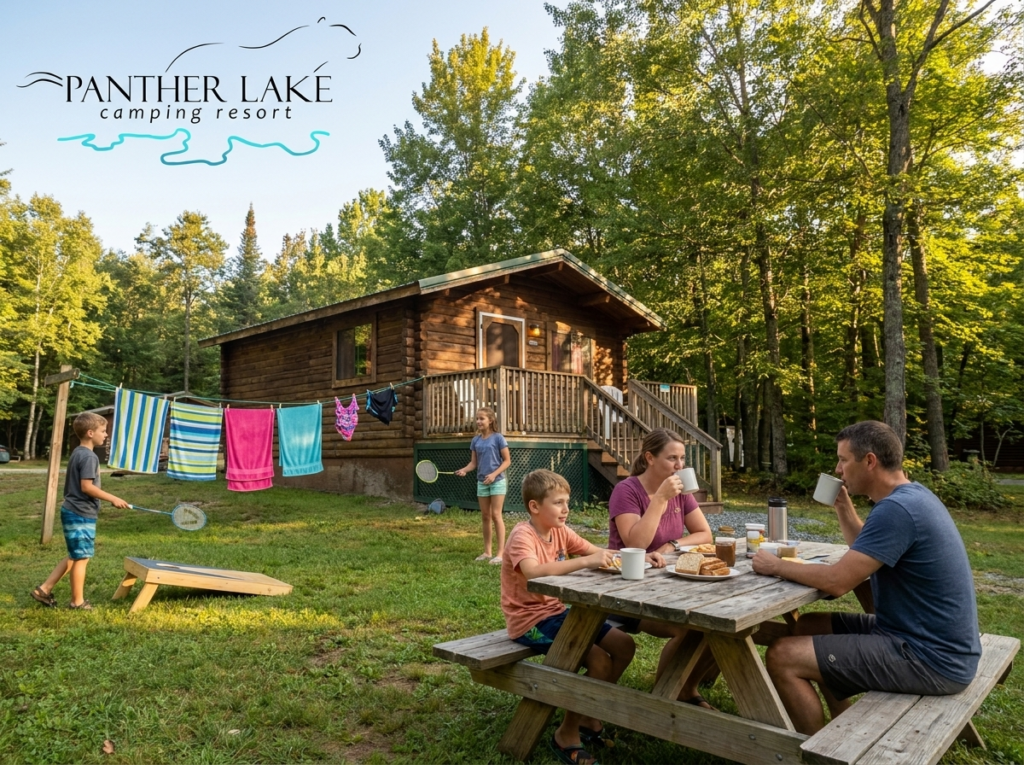
A week-long camping trip needs more planning because food, storage, weather, laundry, showers, downtime, and activities matter more over 7 days than they do over 2 nights.
A weekend trip gives you room to improvise. A full week asks more from the plan because the small details repeat every day. Food becomes the first big difference
A 2-night trip can run on quick meals and one cooler. A 7-day trip needs meal variety, safe cold storage, easy lunches, backup food, and a resupply plan.
Comfort becomes part of the plan, too. Extra socks, towels, sweatshirts, bedding, rain jackets, and quiet-time activities matter after the first 48 hours. Families feel that difference fast when kids get wet, shoes stay muddy, or everyone needs a slower morning.
Downtime matters because a long camping vacation is not a race through activities. A good week includes 3 types of days: active days, local outing days, and slow days. Examples include a lake day, a nearby trail or town visit, and a campground day with mini golf, cards, laundry, and an easy dinner.
Weather planning changes the whole trip. A rainy afternoon feels manageable with dry clothes, covered hangout space, books, cards, and a simple meal. A rainy afternoon feels frustrating when every activity depends on sunshine. Longer trips work best when the campground gives the week enough structure without forcing the family to leave every day.
How Do You Choose the Right Campground in New Jersey?
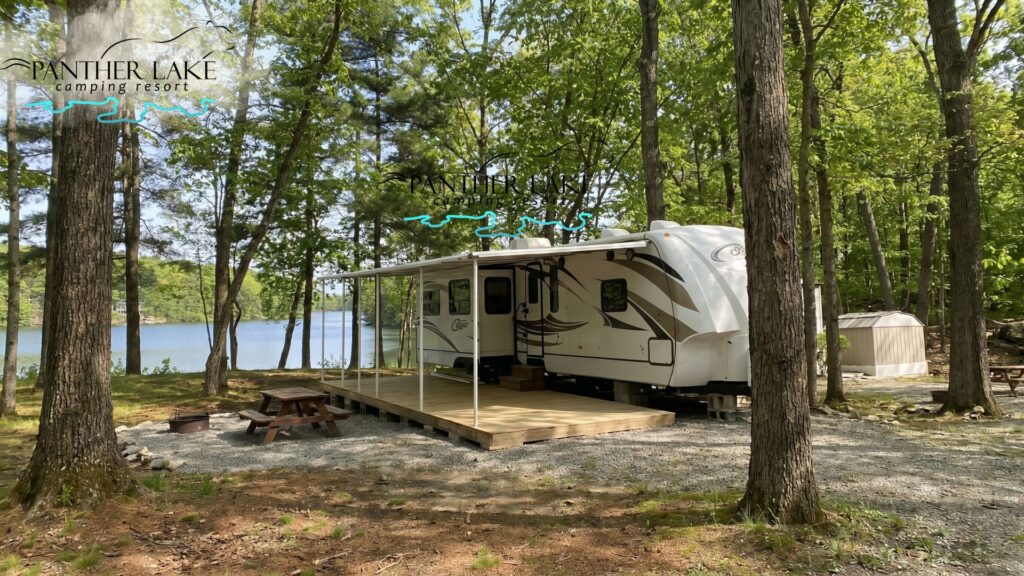
Choose a New Jersey campground by comparing drive time, cabins, RV sites, lake or pool access, bathhouses, RV hookups, family activities, pet rules, nearby attractions, and reservation availability.
A campground is the place that provides the site, lodging, amenities, and rules for the stay. For a longer family trip in New Jersey, the strongest choices are usually campgrounds that combine stay flexibility, comfort, activities, and an easy drive.
Drive time deserves early attention. A shorter trip from NYC, North Jersey, or Sussex County gives families more energy for check-in, unpacking, dinner, and the first campfire. Stay options shape the whole week. Cabins reduce gear and make sleep easier. RV sites give travelers familiar storage, routines, and hookups. Seasonal-style stays make sense for families who want a more repeatable camping rhythm across the season.
Amenities matter more during a longer stay because the campground becomes the vacation base. Bathhouses, a camp store, laundry, lake access, a pool, playgrounds, and scheduled activities reduce the number of off-site trips needed. A quick review of our amenities gives families a clearer picture of how a longer stay can feel once they arrive.
New Jersey’s official state parks and forests offer camping options that range from primitive sites to family campgrounds with showers and flush toilets, RV sites with electric and water hookups, cabins, shelters, and lean-tos. Private camping resorts add a different experience because they often combine lodging, activities, amenities, and longer-stay convenience in one place.
| Campground Criteria | Why It Matters for a Week |
|---|---|
| Drive time | A shorter drive leaves more energy for arrival and unpacking. |
| Cabin and RV options | The right stay style lowers packing stress. |
| Lake or pool access | Water activities help fill slower vacation days. |
| Bathhouses | Showers and restrooms matter more after day 2. |
| Camp store | Forgotten items and small resupply needs become easier. |
| Laundry access | Wet towels, muddy clothes, and kids’ outfits stack up fast. |
| Family activities | Planned activities reduce boredom without constant driving. |
| Local attractions | Midweek outings add variety to the trip. |
| Pet rules | Pet policies affect lodging, packing, and daily plans. |
| Reservation process | Longer trips require better date planning. |
What Is a Good 7-Day Camping Itinerary?
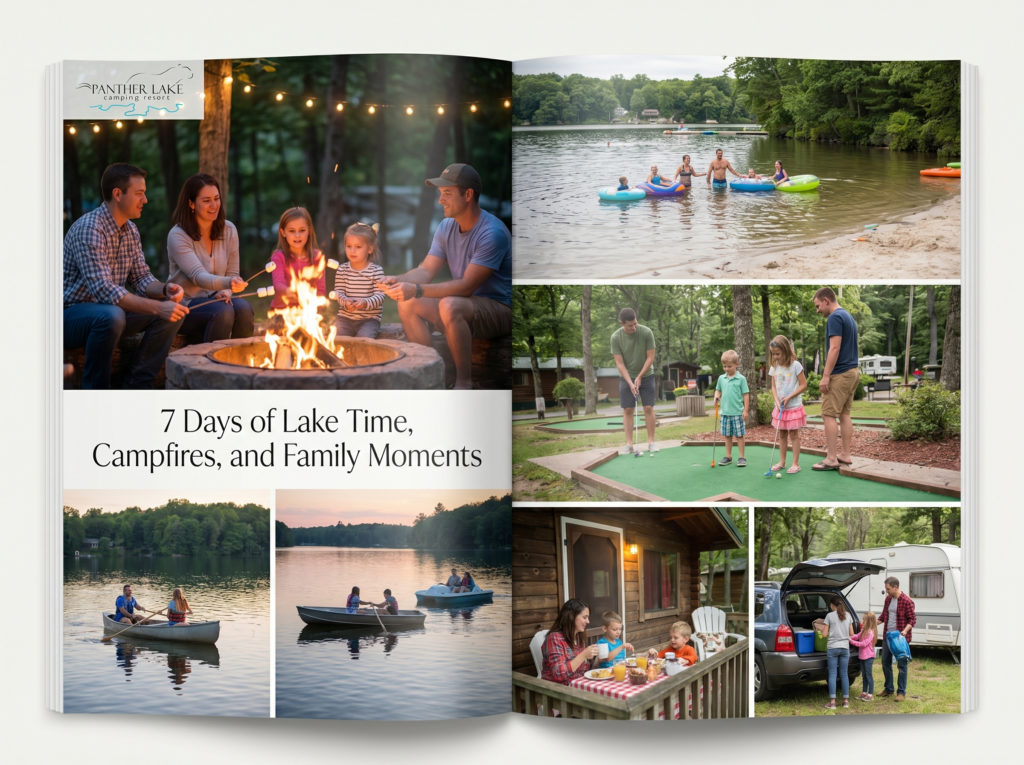
A good 7-day camping itinerary balances arrival, unpacking, lake time, campground activities, local exploring, slow mornings, family downtime, and an easy departure day.
A 7-day camping itinerary is a loose daily plan for a full week outdoors. The best version gives every day a purpose without turning the vacation into a schedule.
At Panther Lake, we like the 1-focus-per-day method. Each day gets one main idea, such as arrival, lake time, local exploring, rest, a bigger activity, family choice, or departure. That structure keeps the week moving while leaving room for slow mornings and last-minute changes.
| Day | Focus | Example Plan |
|---|---|---|
| Day 1 | Arrival and unpacking | Check in, settle into the cabin or RV site, walk the campground, make a simple dinner, and end with an early campfire. |
| Day 2 | Lake or pool day | Swim, fish, rent boats, grill dinner, and play cards at night. |
| Day 3 | Local exploring | Visit a nearby trail, town, farm market, or family attraction. |
| Day 4 | Slow campground day | Play mini golf, visit the playground, do laundry, nap, and cook an easy dinner. |
| Day 5 | Activity day | Plan boating, fishing, sports, a themed event, or a scheduled campground activity. |
| Day 6 | Family choice day | Let kids pick 1 activity and adults pick 1 relaxing moment. |
| Day 7 | Departure day | Eat a simple breakfast, pack steadily, take a final walk, and head home without rushing. |
Arrival day needs the simplest plan. Unpacking always takes more energy than expected, especially with kids, pets, groceries, bedding, and cooler items. A low-effort dinner, such as sandwiches, foil packets, or pre-made pasta salad, keeps the first night calm.
Midweek is the best time for a local outing. By day 3 or day 4, families usually want a change of scene. A short trail, local shop, scenic drive, or nearby attraction breaks up the week without turning the trip into a road marathon. Slow days protect the vacation. A full week needs time for towels to dry, kids to rest, adults to drink coffee outside, and everyone to stop watching the clock.
Panther Lake’s activity calendar gives families built-in options during the 2026 season, including live entertainment every weekend, Friday welcome bonfires, Friday night movies, crafts, games, themed weekends, and outdoor options.
What Should You Pack for a Week-Long Camping Trip?
Pack for a week-long camping trip by grouping items into sleep, clothing, kitchen, food storage, safety, toiletries, lake gear, kids’ items, pet needs, and rainy-day comfort.
A camping packing list is a category-based checklist that matches the stay style and trip length. A week-long trip needs more than gear. It needs comfort, storage, weather coverage, food safety, and activity support.
Cabin and Sleep Items
Sleep planning comes first because poor sleep affects the whole week.
- Bring bedding that matches the cabin type: Some stays require guests to bring linens, pillows, blankets, and towels.
- Pack extra comfort items: Familiar pillows, lightweight blankets, and slippers make a longer stay easier.
- Bring nighttime lighting: Flashlights and lanterns make evening walks and campfire cleanup easier.
- Check the cabin details before arrival: Confirm what is included so the packing list matches the actual stay.
RV Comfort and Setup Items
RV travelers need a different kind of packing plan because the stay depends on systems, storage, and site setup.
- Confirm hookup needs: Check electric, water, sewer, and site-size details before arrival.
- Pack setup basics: Bring leveling blocks, hoses, cords, adapters, and outdoor mats that fit your RV routine.
- Organize food storage: Use bins and fridge space so the week stays easy after day 2.
- Keep outdoor comfort simple: Camp chairs, table covers, and easy lighting make the site feel ready fast.
Clothing and Weather Gear
Clothing needs to cover warm afternoons, cool mornings, wet shoes, and muddy paths.
- Pack layers for changing temperatures: Sweatshirts, long pants, and light jackets cover cooler evenings.
- Bring rain gear for every person: Rain jackets, extra socks, and backup shoes prevent one storm from ruining the next day.
- Separate dirty clothes: Laundry bags keep wet towels and muddy clothes away from clean bedding.
Kitchen and Food Storage
Food storage deserves more attention during a 7-day trip.
- Use bins for dry goods: Keep bread, snacks, coffee, paper goods, and shelf-stable meals together.
- Bring cooking basics: Pack utensils, plates, cups, cutting board, knife, lighter, foil, trash bags, paper towels, and dish soap.
- Keep raw food separate: Raw meat, poultry, and seafood belong in sealed containers or a separate cooler.
Lake, Pool, and Activity Gear
Lake days create their own packing list.
- Bring swimwear and towels: Pack more towels than a weekend trip requires.
- Carry water shoes or sandals: Footwear matters around beaches, bathhouses, boats, and wet paths.
- Pack sunscreen and bug spray: Outdoor days need repeat applications.
- Add simple games. Cards, travel games, books, and coloring supplies rescue rainy hours and slow evenings.
Kids, Pets, and Rainy-Day Extras
Family packing works better when the list reflects real behavior.
- Pack kid-specific comfort items: Favorite blankets, small toys, bikes, helmets, glow sticks, and bedtime books smooth daily routines.
- Prepare pet supplies: Bring food, bowls, leash, waste bags, towels, medication, and vaccination records when required.
- Save rainy-day activities: Keep cards, puzzles, notebooks, and snacks in a dry bin that stays closed until needed.
How Do You Plan Food for 7 Days of Camping?
Plan 7 days of camping food by mapping every breakfast, lunch, dinner, snack, drink, and resupply stop before packing. Use fresh foods first, then shelf-stable meals later in the week.
A camping meal plan is a 7-day food schedule that connects meals to activities, storage, and cooking equipment. The plan works best when it starts with real trip days, not recipes. Day 1 needs the easiest dinner because arrival takes time. Day 2 can use fresh food from the cooler. Days 3 and 4 work well for mixed meals. Days 5 and 6 need longer-lasting foods. Day 7 needs a fast breakfast and minimal cleanup.
| Trip Phase | Food Strategy | Examples |
|---|---|---|
| Days 1–2 | Use fresh food first. | Burgers, fruit, pre-chopped vegetables, breakfast sandwiches. |
| Days 3–4 | Mix fresh and easy meals. | Pasta, tacos, grilled cheese, soup, wraps. |
| Days 5–6 | Use longer-lasting foods. | Rice bowls, canned beans, oatmeal, shelf-stable meals. |
| Day 7 | Keep breakfast simple. | Granola bars, fruit, muffins, instant oatmeal. |
The food formula is simple:
7 breakfasts + 7 lunches + 7 dinners + daily snacks + drinks + 2 backup meals = a full-week camping food plan.
Breakfast works best when it repeats. Oatmeal, eggs, muffins, yogurt, fruit, and breakfast sandwiches keep mornings easy. Lunch needs to be faster than dinner because most families are swimming, fishing, playing, or heading out for the day.
Dinner can carry more variety. Plan 3 easy dinners, 2 grill dinners, 1 leftovers night, and 1 flexible meal. Examples include pasta, tacos, foil packets, grilled chicken, rice bowls, soup, and breakfast-for-dinner. Food safety matters more during warm-weather camping. USDA guidance says food should be cooled within 2 hours, and perishable food should be cooled within 1 hour when the temperature is above 90°F.
A non-obvious planning detail matters here: the drink cooler and food cooler need different jobs. A drink cooler gets opened all day. A food cooler needs to stay closed as much as possible. Separating them keeps perishable food colder longer. Meal planning also connects to stay style because cabins and RV sites give families different levels of storage and cooking comfort.
Is a Cabin or RV Site Better for a Week-Long Camping Vacation?
Cabins are easiest for families who want more comfort, while RV sites work best for travelers who bring their own setup. The best choice depends on sleep needs, storage, cooking habits, weather comfort, and how much setup you want.
A stay style is the lodging format for the camping trip. Cabin camping and RV camping create different packing lists, meal plans, and comfort levels.
| Stay Type | Best For | What to Check Before Booking |
|---|---|---|
| Cabin | Families who want comfort, easier sleep, and less setup. | Linens, kitchen supplies, bathroom setup, pet rules, and occupancy. |
| RV site | RV travelers who want storage, routine, and hookups. | Site length, hookups, amp service, water, sewer, and parking. |
| Seasonal stay | Guests who want repeat visits and a more familiar camping rhythm. | Seasonal availability, site terms, amenities, rules, and booking details. |
What Are the Best Types of New Jersey Campgrounds for a Longer Stay?
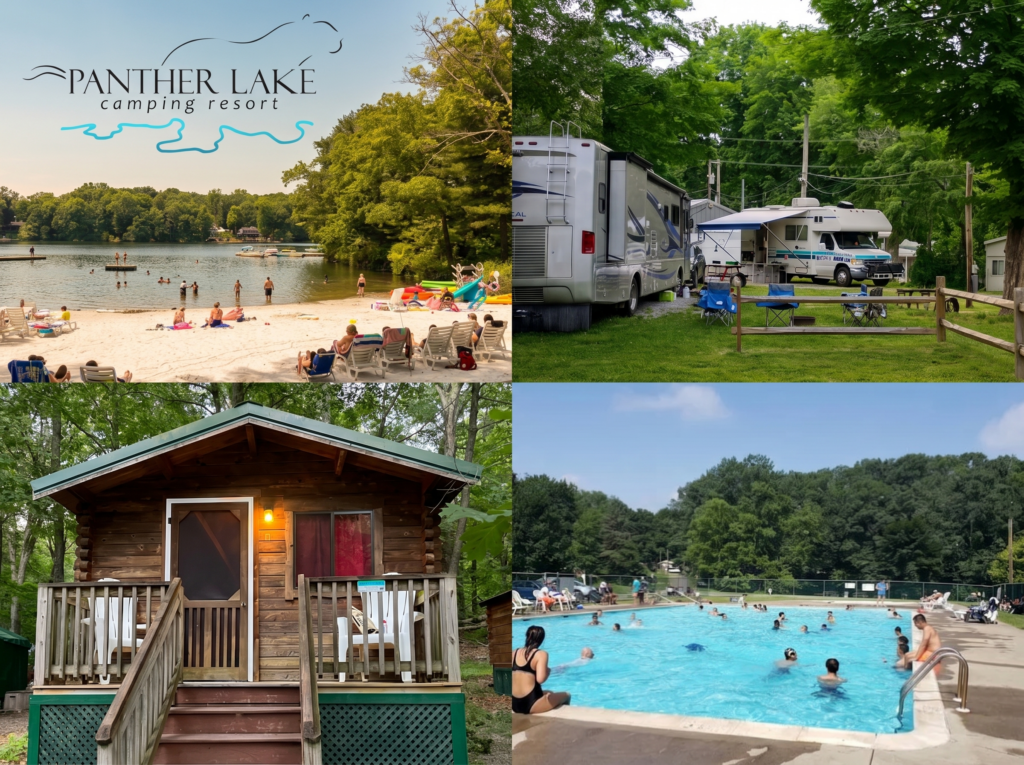
The best New Jersey campgrounds for longer stays offer more than a place to sleep. Look for lake access, cabins, RV sites, bathhouses, activities, a camp store, nearby attractions, and flexible booking options.
New Jersey camping has several trip styles. The best choice depends on how much comfort, activity, and structure the group wants.
Lake Campgrounds
Lake campgrounds work well for longer trips because water gives the week a natural rhythm. Swimming, fishing, boating, and slow shoreline time fill the day without constant driving.
Family Camping Resorts
Family camping resorts fit guests who want outdoor time plus built-in activities. A resort-style campground often works better for a full week because families can mix lake time, games, pool time, campfires, and local outings from one base.
RV-Friendly Campgrounds
RV-friendly campgrounds fit travelers who need hookups, site access, parking, and enough space for a longer setup. Confirm site length, amp service, water, sewer, and campground road conditions before booking.
Cabin Campgrounds
Cabin campgrounds fit families who want the camping feel with more comfort. Cabin details vary, so check beds, linens, kitchen equipment, bathrooms, heating, air conditioning, and outdoor cooking areas.
Seasonal Camping Resorts
Seasonal camping resorts fit families who want to return often. This stay style works best for people who want a familiar outdoor place, repeat activities, and a stronger sense of routine across the camping season.
North Jersey and Skylands Campgrounds
North Jersey campgrounds work well for NYC and North Jersey families who want a driveable outdoor trip. The Skylands region also gives campers access to lakes, wooded areas, small towns, hiking, and farm markets.
Firewood planning belongs in this section because it affects every campground type. Use local firewood when possible, and check campground rules before packing wood from home.
Why Is Panther Lake a Good Fit for a Week-Long Camping Trip in New Jersey?
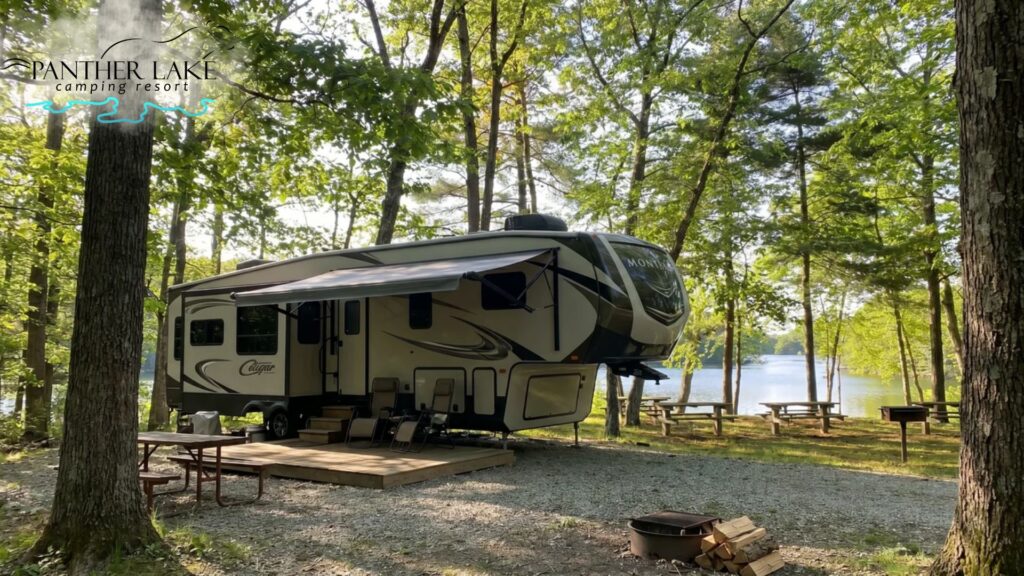
Panther Lake fits a week-long New Jersey camping trip because we combine lake access, cabins, RV sites, wooded space, family amenities, activities, and a North Jersey location about 50 miles from New York City.
At Panther Lake, we make longer camping trips easier because families don’t have to build the whole vacation from scratch. The week can revolve around lake time, campground activities, campfires, local outings, and slow mornings from one home base.
Our location is part of the planning advantage. Panther Lake Camping Resort is described on the official site as 160 wooded acres with a 45-acre lake about 50 miles from New York City. Our amenities give families more ways to fill the week. The resort lists a sandy beach, swimming pool, kayaking, miniature golf, tennis courts, arcade, general store, laundry, fishing ponds, golf cart rentals, and more family-friendly options.
A week-long stay works best when the campground supports both activity and rest. Panther Lake’s lake, amenities, and stay options create that balance.
What Mistakes Should You Avoid When Planning a Week-Long Camping Trip?
Avoid treating a week-long camping trip like a weekend trip. The biggest mistakes are underplanning food, ignoring weather, booking too late, overpacking supplies, skipping downtime, and choosing a campground without enough amenities.
Camping mistakes usually come from underestimating the difference between 2 nights and 7 days. A full week needs stronger planning, but the plan still needs breathing room.
1: Booking Too Late
Longer stays require more calendar space. Summer weekends, holidays, cabins, RV sites, and lake-access campgrounds fill differently than short midweek trips. Book early when the trip depends on a specific week.
2: Planning Every Day Too Tightly
A packed schedule wears families out. Plan 1 main focus per day, then leave space for slow mornings, weather changes, naps, and extra lake time.
3: Forgetting Rainy-Day Options
Rain is easier when the family has dry clothes and indoor activities. Pack cards, small games, books, crafts, extra towels, and simple meals that do not require a long outdoor cooking setup.
4: Packing Supplies but Forgetting Comfort
Supplies get the stay running. Comfort keeps the week enjoyable. Extra pillows, dry socks, slip-on shoes, sweatshirts, laundry bags, and enough towels matter after day 3.
5: Underplanning Meals
Food planning breaks down when every dinner depends on fresh ingredients or perfect weather. Build a mix of grill meals, fast meals, shelf-stable meals, snacks, and 2 backup options.
6: Ignoring Campground Rules
Campground rules affect pets, fires, visitors, vehicles, quiet hours, check-in, cancellation, and site use. Review the rules before packing, especially for a full week.
7: Choosing a Campground With Too Little To Do
A quiet campground can be wonderful for the right group. Families with kids usually need more options during a 7-day trip. Look for water access, games, playgrounds, activities, local attractions, and enough space to unwind.
Camping Vacation Ideas: Key Facts at a Glance
A camping vacation is an outdoor trip built around lodging, meals, activities, weather planning, and a campground home base.
- A week-long camping trip usually means 7 days and 6 nights.
- A loose itinerary works better than an hourly schedule.
- A stay style controls the packing list.
- A meal plan needs 7 breakfasts, 7 lunches, and 7 dinners.
- A campground with amenities reduces off-site driving.
- A weather backup plan protects the week from one rainy day.
- Cabins and RV sites make longer stays easier for families who want comfort and flexibility.
Panther Lake connects these planning pieces through lake access, cabins, RV sites, family activities, amenities, and a North Jersey location near NYC.
Frequently Asked Questions About Week-Long Camping Trips
How far in advance should we book a week-long camping trip in New Jersey?
Book a week-long camping trip as early as possible once your dates are firm. Longer stays need more consecutive availability than weekend trips, especially during summer, holidays, and popular event weekends.
What is the easiest way to plan a week-long camping trip?
The easiest way to plan a week-long camping trip is to use 7 steps: choose the campground, pick the stay style, book dates, build an itinerary, pack by category, plan meals, and prepare for weather.
What should we pack for 7 days of camping?
Pack bedding, clothing, kitchen supplies, food storage, toiletries, first-aid items, lake gear, rain gear, kids’ activities, pet supplies, and laundry bags. Cabin guests and RV travelers need different packing lists, so confirm stay details before arrival.
How much food do we need for a week of camping?
A week of camping needs 7 breakfasts, 7 lunches, 7 dinners, daily snacks, drinks, and 2 backup meals. Plan fresh food for days 1 and 2, then use longer-lasting meals later in the week.
Is cabin camping easier than RV camping for a week?
Cabin camping is easier for families who want less setup and more comfort. RV camping works better for travelers who already have their own setup, storage, and routines.
What should kids do during a week-long camping trip?
Kids need a mix of swimming, fishing, playground time, games, campground activities, local outings, quiet time, and campfire nights. Our guide to camping activities for kids gives families more ideas for filling outdoor days without overplanning.
What is better for a longer camping trip: a state park or a camping resort?
State parks fit nature-first trips. Camping resorts fit families who want amenities, activities, lake access, and more stay options in one place. The better choice depends on comfort level, budget, activity needs, and trip style.